


What is Vitamin B6 & What Does it Do?

Key Takeaways
- Vitamin B6 helps support energy metabolism, brain health, immune function, and red blood cell production.
- Foods high in vitamin B6 include beef, poultry, fish, potatoes, bananas, fortified cereals, chickpeas, and spinach.
- Most adults get enough vitamin B6 through diet, but supplements with B vitamins may help support daily nutrient intake and overall wellness.
What is Vitamin B6 and What Does it Do?
Vitamin B6 is one of the eight essential B vitamins your body needs to support everyday health. It plays a role in more than 100 enzyme reactions tied to metabolism, immune function, and brain health1. Because your body cannot make vitamin B6 on its own, you need to get it from foods or supplements2.
This essential nutrient is found naturally in foods like beef, poultry, potatoes, and fortified cereals. It’s also commonly included in multivitamins and B-complex supplements3.
Whether you’re trying to better understand your nutrition, support your immune system, or learn how B vitamins work together in the body, here’s what to know about vitamin B6, including its benefits, recommended daily amounts, food sources, and more.
What is Vitamin B6?
Vitamin B6 is part of the B-complex family, a group of nutrients that support several critical systems throughout the body, including the nervous and immune systems2, 4. It acts as a coenzyme, meaning it helps enzymes carry out over 100 biochemical reactions, primarily related to protein metabolism3. It also helps your body create neurotransmitters, make hemoglobin, and support immune function3.
Because vitamin B6 is water-soluble, excess amounts are not stored in large quantities in the body and are typically excreted through urine2. That means it’s important to regularly consume foods containing vitamin B6 or take vitamin B6 supplements if recommended by a healthcare provider.
What Does Vitamin B6 Do for the Body?
Vitamin B6 supports many essential functions in the body. Here are some of its most important roles:
Supports Energy & Metabolism
- Helps break down proteins, carbohydrates, and fats5 to convert food into useable energy
Promotes Brain Health
- Helps make neurotransmitters2, like serotonin and dopamine, which help regulate mood, sleep, and cognitive function
Strengthens the Immune System
- Helps support immune function5, making it easier for your body to fight infections
Contributes to Red Blood Cell Production
- Vitamin B6 helps make hemoglobin3, the protein in red blood cells that carries oxygen throughout the body
Supports Heart Health
- Helps regulate homocysteine levels, an amino acid linked to heart health2
How Much Vitamin B6 Do You Need?
Your daily needs of B6 vary by age and life stage.
Age Group |
Recommended Daily Amount |
Infants 0–6 months |
0.1 mg |
Infants 7–12 months |
0.3 mg |
Children 1–3 years |
0.5 mg |
Children 4-8 years |
0.6 mg |
Children 9-13 years |
1.0 mg |
Teens 14–18 years (boys) |
1.3 mg |
Teens 14–18 years (girls) |
1.2 mg |
Adults 19–50 years |
1.3 mg |
Adults 51+ years (men) |
1.7 mg |
Adults 51+ years (women) |
1.5 mg |
Pregnant women |
1.9 mg |
Breastfeeding women |
2.0 mg |
Source: National Institutes of Health Office of Dietary Supplements1
Foods High in Vitamin B6
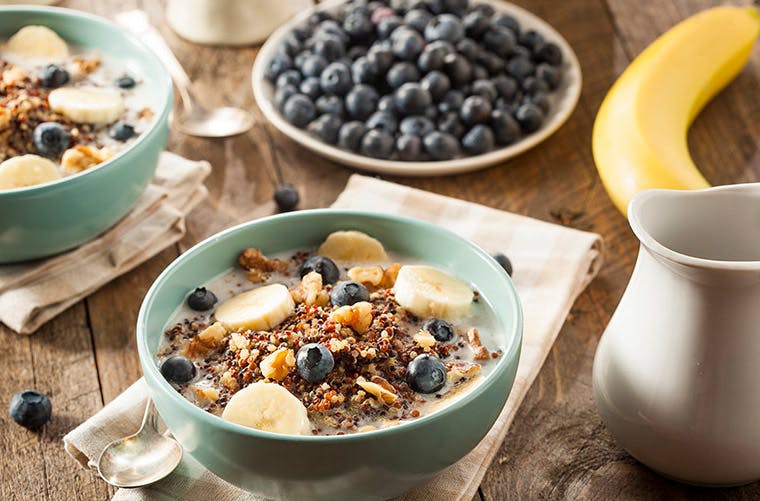
Vitamin B6 is found naturally in many foods and is added to others1. In the US, most adults get their B6 from fortified cereals, meats (beef, poultry, fish), starchy vegetables, and some fruits3.
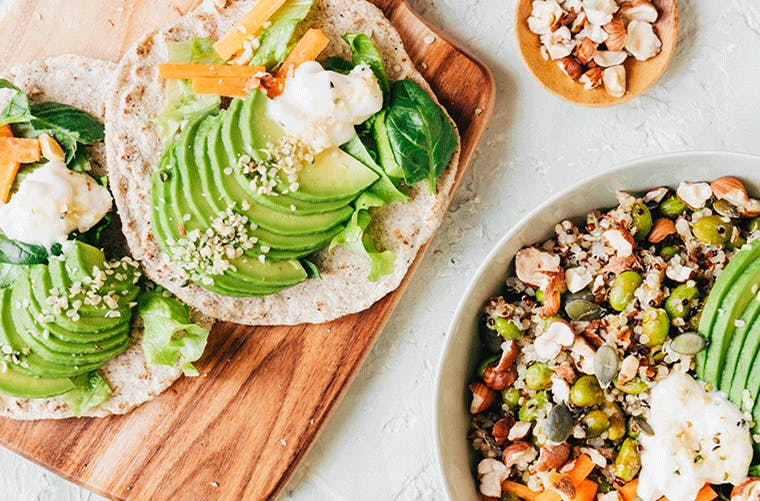
Even if you don’t eat meat, there are plenty of ways to add vitamin B6 to your diet. Here are some foods that contain B63:
- Chickpeas
- Beef (liver, ground beef)
- Fish (tuna, salmon)
- Poultry (chicken breast, turkey)
- Breakfast cereals
- Vegetables (potatoes, squash, onions)
- Fruits (bananas, watermelon)
- Grains (bulger, rice)
- Dairy (cottage cheese)
- Nuts
- Raisins
- Spinach
- Tofu
What Happens if You Don’t Get Enough Vitamin B6?
Most adults in the US get enough vitamin B6 in their diet; however, those with certain medical conditions, restrictive diets, kidney disease, alcohol dependence, or malabsorption issues may need supplementation1.
Symptoms of low vitamin B6 may include5:
- Anemia
- Skin conditions
- Lowered immunity
- Depression
- Confusion
Vitamin B6 deficiency is rare and is more likely to occur alongside deficiencies in other B vitamins, including folic acid and vitamin B125.
Other Ways to Get Vitamin B6
While many people can get enough vitamin B6 through foods like poultry, fish, bananas, potatoes, and fortified cereals, supplements can also help support your daily intake, especially during busy routines when balanced meals aren’t always easy to prioritize.
Products containing B vitamins may help fill nutritional gaps and support everyday wellness, including energy metabolism and immune health. Emergen-C products with B vitamins, such as Emergen-C for Everyday Immune Support*, can be a convenient addition to your daily routine, offering a flavorful way to support overall nutrient intake alongside a balanced diet.
Whether you’re looking for daily immune support, energy support, or a refreshing way to add more vitamins to your routine, Emergen-C offers a variety of supplement options formulated with essential nutrients, including B vitamins.
Explore the full Emergen-C lineup to find the product that best fits your wellness routine.
*These statements have not been evaluated by the Food and Drug Administration. These products are not intended to diagnose, treat, cure or prevent any disease.
Source Citations:
- Vitamin B6. National Institutes of Health. https://ods.od.nih.gov/factsheets/VitaminB6-Consumer/. Accessed 5/6/2026.
- Top 7 Benefits of Vitamin B6. Cleveland Clinic. https://health.clevelandclinic.org/vitamin-b6. Accessed 5/6/2026.
- Vitamin B6. National Institutes of Health. https://ods.od.nih.gov/factsheets/VitaminB6-HealthProfessional/. Accessed 5/6/2026.
- Vitamin B-6. Mayo Clinic. https://www.mayoclinic.org/drugs-supplements-vitamin-b6/art-20363468. Accessed 5/6/2026.
- Vitamin B6. Harvard School of Public Health. https://nutritionsource.hsph.harvard.edu/vitamin-b6/. Accessed 5/6/2026.