


VEGETARIAN FOODS PACKED WITH MORE PROTEIN THAN MEAT

KEY TAKEAWAYS
- Vegetarian diets can provide plenty of protein through foods like beans, lentils, soy products, whole grains, nuts, seeds and vegetables.
- Several plant-based foods, including tempeh, soybeans and lentils, offer protein amounts comparable to or greater than some common meat sources.
- A well-planned vegetarian or plant-based diet can help meet daily protein needs while also providing fiber, vitamins and other important nutrients.
Protein is an essential part of a healthy, balanced diet. It supports muscle maintenance, energy production and overall wellness.1 But when you don’t eat a lot of meat—or avoid it entirely—it can feel difficult to get your recommended daily intake of protein.
High-protein foods commonly found in vegetarian diets can help you meet your daily protein needs. In fact, several vegetarian protein options provide as much, or even more protein per-serving than some common meat choices.
The amount of protein you need will vary depending on a several factors, but protein should generally make up 10 to 35 percent of your day’s total calories.2 Whether you’re a vegetarian, vegan or just an occasional meat-eater, there’s good news: You can get adequate protein on well-planned plant-based diet.
WHAT ARE HIGH PROTEIN FOODS VEGETARIANS EAT?
Protein sources for vegetarians include foods like legumes, soy products, whole grains, nuts, seeds and certain vegetables that provide meaningful amounts of protein without relying on animal products.2
Here are six vegetarian high-protein foods worth adding to your plate.
1. BLACK BEANS: A RELIABLE VEGETARIAN PROTEIN SOURCE
Black beans are one of the most accessible and affordable high protein foods vegetarians love.3
A ½ cup serving of cooked black beans provides approximately 8g of protein3, which is more than the amount in a chicken drumstick. Not only are black beans a great source of protein, but they’re also an excellent source of fiber and vitamins.3 They aid in regulating blood sugar levels and reducing cholesterol. Black beans are naturally cholesterol-free and low in saturated fat, making them a good substitute for other protein sources.3
Try black beans:
- Instead of chicken in a quesadilla
- Blended into veggie burgers
- Tossed into salads
- As a hearty base for soups and stews
2. LENTILS: ONE OF THE HIGHEST PROTEIN PLANT FOODS
If you’re wondering which vegetable has the most protein, lentils are often near the top of the list for most herbivores, even though they’re technically legumes.4
A ½ cup of cooked lentils delivers nearly 12g of protein, and is loaded with fiber, vitamins, and nutrients like iron.4
Ways to enjoy lentils:
- Curried red lentil soup (ready in about an hour)
- Added to grain bowls
- As a meat substitute in pasta sauces
- To ramp up the heartiness in a chili
3. TEMPEH: A PROTEIN-DENSE SOY OPTION
Tempeh is a fermented soybean product that stands out as one of the most concentrated vegetarian options available and can be a tasty substitute for meat like bacon or chicken.
A 3-ounce serving of tempeh can provide approximately 18g of protein, making it one of the most protein-dense plant-based foods.5 By comparison, a slice of bacon has just under 4g of protein, and because tempeh is made from whole soybeans, it also contains fiber and beneficial plant compounds not found in meat proteins.5
Tempeh works well:
- Sliced and pan-seared
- Crumbled into tacos
- Marinated for tempeh sandwiches
- Added into stir-fries
4. SOYBEAN: A COMPLETE PLANT PROTEIN
Soybeans are one of the most powerful protein sources for vegetarians. They take on many forms including edamame and are rich in things like amino acids and B vitamins.6
Enjoy soybeans:
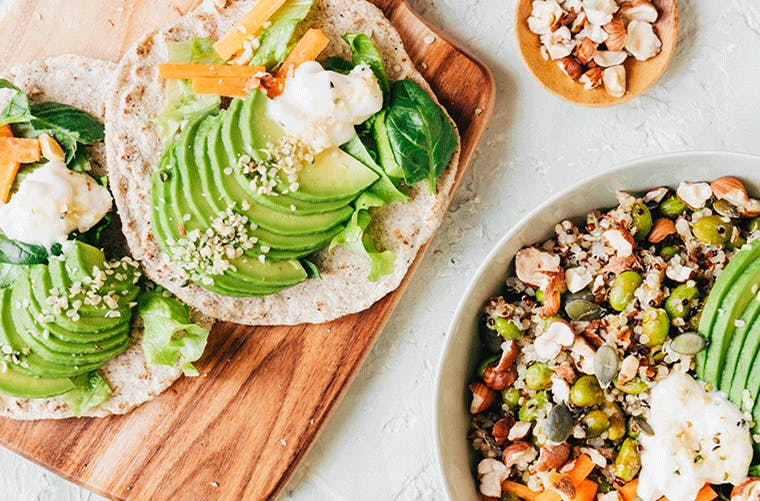
- As steamed edamame
- Blended into spreads
- Mixed into salads or bowls
- Cooked as a crunchy roasted edamame snack
5. QUINOA: A COMPLETE GRAIN PROTEIN
Quinoa is often called the “king” of plant-based grains, and for good reason.
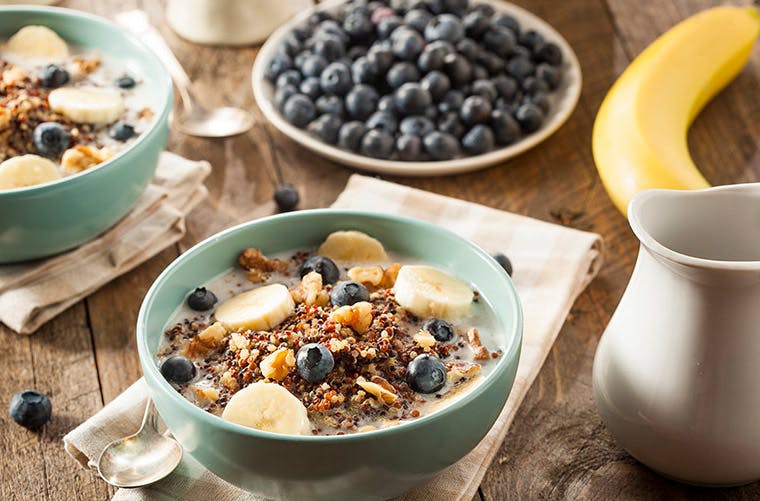
While a one-cup serving of cooked quinoa provides about 8 grams of protein, it's a complete protein, containing all nine of the essential amino acids.7 Plus, its dietary fiber may improve your digestion, and both fiber and protein can help make you feel more satiated than other grains.7
Quinoa is great in:
- Cookies and bars
- Salads and bowls
- Desserts like almond butter-quinoa blondies
- Stuffed peppers
6. SPINACH: A SURPRISING VEGETABLE PROTEIN OPTION
While leafy greens aren’t typically thought of as protein powerhouses, spinach contributes more than many people might expect.
Just 2/3 cup is equivalent to nearly 3 grams of protein8—no wonder a can of spinach made Popeye’s muscles bulge! What’s more, spinach is a fantastic source of folate, meaning it’s beneficial in healthy cell production and reproductive health.9
Spinach works well:
- Blended into smoothies
- Sauteed as a side dish
- Mixed into omelets
- Added to pasta bowls
FREQUENTLY ASKED QUESTIONS
Source Citations:
1. Protein. Better Health Channel. https://www.betterhealth.vic.gov.au/health/healthyliving/protein. Accessed 3/3/26.
2. Protein in diet. Medline Plus. https://medlineplus.gov/ency/article/002467.htm. Accessed 3/3/26.
3. The benefits of black beans. Mayo Clinic. https://communityhealth.mayoclinic.org/featured-stories/black-bean-benefits. Accessed 3/3/26.
4. Reasons to Eat More Lentils. Hartford HealthCare. https://hartfordhospital.org/about-hh/news-center/news-detail?articleId=64698. Accessed 3/3/26.
5. Is Tempeh Just Tofu? Not Exactly — But Here’s Why It’s So Good for You. Cleveland Clinic. https://health.clevelandclinic.org/tempeh-nutrition-and-benefits. Accessed 3/3/26.
6. 5 Protein-Packed Foods for Healthy, Meatless Meals. Johns Hopkins Medicine. https://www.hopkinsmedicine.org/health/wellness-and-prevention/5-protein-packed-foods-for-healthy-meatless-meals. Accessed 3/3/26.
7. Quinoa. The Nutrition Source. https://nutritionsource.hsph.harvard.edu/food-features/quinoa/. Accessed 3/4/26.
8. 7 Reasons You Should Eat More Spinach. Cleveland Clinic. https://health.clevelandclinic.org/benefits-of-spinach. Accessed 3/4/26.
9. Folate. National Institutes of Health. https://ods.od.nih.gov/factsheets/Folate-Consumer/. Accessed 3/4/26.
10. How to Get Enough Protein on a Plant-Based Diet. American Institute for Cancer Research. https://www.aicr.org/resources/blog/how-to-get-enough-protein-on-a-plant-based-diet/. Accessed 3/4/26.


© Meredith Corporation. All rights reserved.