


What Does Elderberry Do for Immunity?

Key Takeaways:
- Elderberries have been used for food and medicinal purposes for thousands of years.1
- Elderberry may help support the immune system by aiding the blocking viruses and potentially stimulating the immune response.2,3
- They contain important vitamins that help support immune function, like vitamin A and C.2,4
- More research is needed on whether elderberry is able to help support the immune system.
What Does Elderberry Do for Immunity?
Elderberry has recently gained popularity as a natural remedy for managing respiratory illnesses, but its effectiveness is up for debate.1 Explore the history of elderberry as an immune-supporting home remedy and its potential benefits for when you're feeling under the weather.
What Is Elderberry?
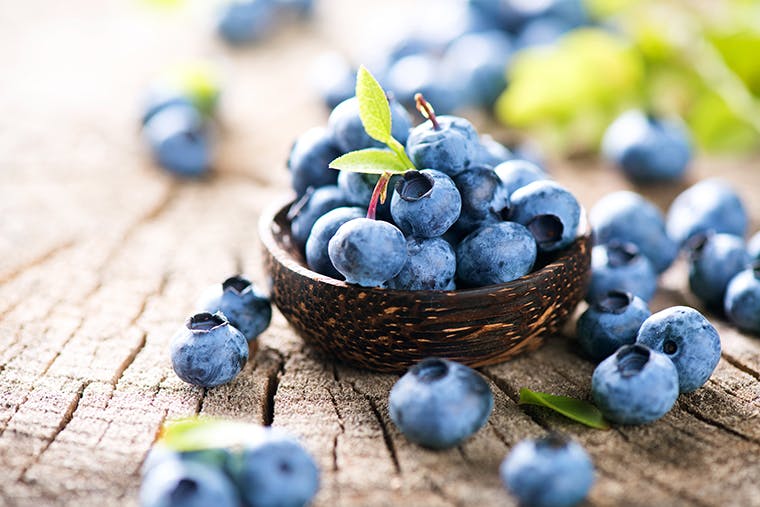
Elderberry, or Sambucus nigra, is a deep, purple berry that grows on a shrubby plant.1 The name originates from the Anglo-Saxon word aeld, which means “to kindle” or “fire.” The plant earned this name because people once used its hollow stems to safely blow air onto kindling and help ignite fires from a distance.1
The use of elderberry dates back to the Stone Age.1 Remedies made from elderberries were used to soothe wounds, burns and skin irritations, and the berries were often brewed into tea to help relieve coughs and colds.1 Interestingly, it was even believed to have protective powers; people planted elderberries near their homes to ward off harm and keep evil spirits away.1 The hollow stems of elderberries were also used to create flute-like instruments.1
How Elderberry Might Help Support Your Immune System
Scientists are still studying the link between the immune system and elderberries, but research suggests:
1. Elderberries May Help Shield Against Viruses
Elderberries contain powerful plant-based flavonoids, like quercetin, kaempferol, and isorhamnetin, that may help block viruses from entering cells.2,3 During a process called endocytosis, cells typically absorb nutrients and helpful materials from their surroundings.3 Viruses hijack this process to get inside and infect the cells.3
Elderberry flavonoids may intervene with this, binding to a virus and preventing it from entering.3 While more research is needed in humans, these antiviral properties may reduce the severity of infection.
2. Elderberries May Stimulate Immune Response
Some studies suggest that elderberry extract may “wake up” the immune response to infections by encouraging cytokine production.3 Cytokines are signaling proteins that help activate immune cells. One group of these cells is monocytes, which help recognize threats, trigger an immune response, and support faster recovery from infection.3
3. Elderberries Are Rich in Essential Vitamins
Elderberries are packed with helpful, immune-supporting vitamins.2,4
100 grams of fresh elderberry fruits can have anywhere from 6 to 35 milligrams of vitamin C.2 Vitamin C is a nutrient found in many fruits and vegetables that has antioxidant effects.4 Vitamin C helps produce B and T cells, essential parts of the immune system that detect, attack, and remember harmful invaders like bacteria, viruses, and other pathogens.4 Vitamin C also helps modulate cytokine production to promote a healthy, balanced immune response. It may also suppress viral replication.4
Elderberries also contain vitamin A.2,4 Vitamin A may support immune cells called macrophages, which are white blood cells that encapsulate and destroy harmful microorganisms.4
Should I Take an Elderberry Supplement?
Based on existing literature, there is some evidence that elderberries may help support the immune system, but more research is needed. Ask your doctor about taking an elderberry supplement like Emergen-C Elderberry Daily Immune Support* and Botanicals or Immune+ Elderberry with Triple Action.
Frequently Asked Questions
Does Elderberry Make You Sleepy?
Elderberries aren’t known to increase sleepiness; however, some supplements with elderberries may contain other ingredients that can cause it.1,2,3,4
What Do Elderberries Taste Like?
Elderberries are said to have an earthy taste that’s subtly sweet with a tart twist.1
Is Elderberry Safe While Pregnant?
Currently, there is limited evidence to determine if elderberries are safe during pregnancy.1,2,3 If pregnant or breastfeeding, please consult your primary care provider before supplementing with elderberries.
*These statements have not been evaluated by the Food and Drug Administration. This product is not intended to diagnose, treat, cure or prevent any disease.
Source Citations:
- Elderberry in the Garden and Kitchen. Penn State Extension. https://extension.psu.edu/elderberry-in-the-garden-and-the-kitchen. Accessed 07/08/2025.
- Advanced research on the antioxidant and health benefit of elderberry (Sambucus nigra) in food – a review. Journal of Functional Foods. https://www.sciencedirect.com/science/article/pii/S1756464614002400. Accessed 07/08/2025.
- Elderberries—A Source of Bioactive Compounds with Antiviral Action. PubMed Central. https://pmc.ncbi.nlm.nih.gov/articles/PMC8948669/. Accessed 07/08/2025.
- Dietary Supplement Fact Sheets. Office of Dietary Supplements. https://ods.od.nih.gov/factsheets/list-all/. Accessed 07/08/2025.